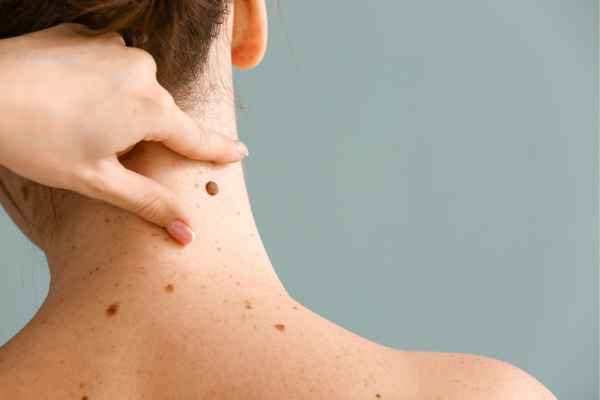
Will Mole Removal Leave a Scar? What You Can Expect During Healing
One of the first questions people ask before having a mole removed is whether they’ll be left with a scar.
The honest answer is that any treatment that removes or destroys skin tissue can leave some form of scar. However, this doesn’t mean the scar will be large or obvious.
For many people, the treated area gradually becomes flatter and less noticeable as the skin heals. The final appearance depends on several factors, including the size and depth of the mole, where it is located, the removal method used and how your skin naturally heals.
Understanding what to expect before treatment can help you make an informed decision and set realistic expectations.
Does Every Mole Removal Leave a Scar?
Whenever the deeper layers of the skin heal after treatment, the body produces new collagen. This natural repair process creates a scar, although its appearance varies from person to person.
So you can train your mind to now specify that some scars fade away, but others will be more visible forever. That doesn’t mean the treatment wasn’t effective. It just shows how every kind of skin heals differently.
Large or deeper moles, areas that experience frequent movement, and people who naturally develop raised scars may all have a greater chance of a visible scar after treatment.
Rather than asking whether a scar is possible, it’s often more helpful to ask what type of scar is most likely and how noticeable it may become once healing is complete.
What Affects How Noticeable a Scar Becomes?
No two people heal in the same way.
Several factors influence the final appearance of a scar, including:
- The size and depth of the mole
- Its location on the body
- The removal method used
- Your age
- Your skin type
- Whether you naturally form raised scars
- How well the wound heals
- Whether infection develops during healing
- How closely aftercare advice is followed
This is why two people having similar treatments may experience very different cosmetic results.
Does the Mole Removal Method Make a Difference?
Yes.
Different mole removal methods create different types of wounds, and this can influence healing.
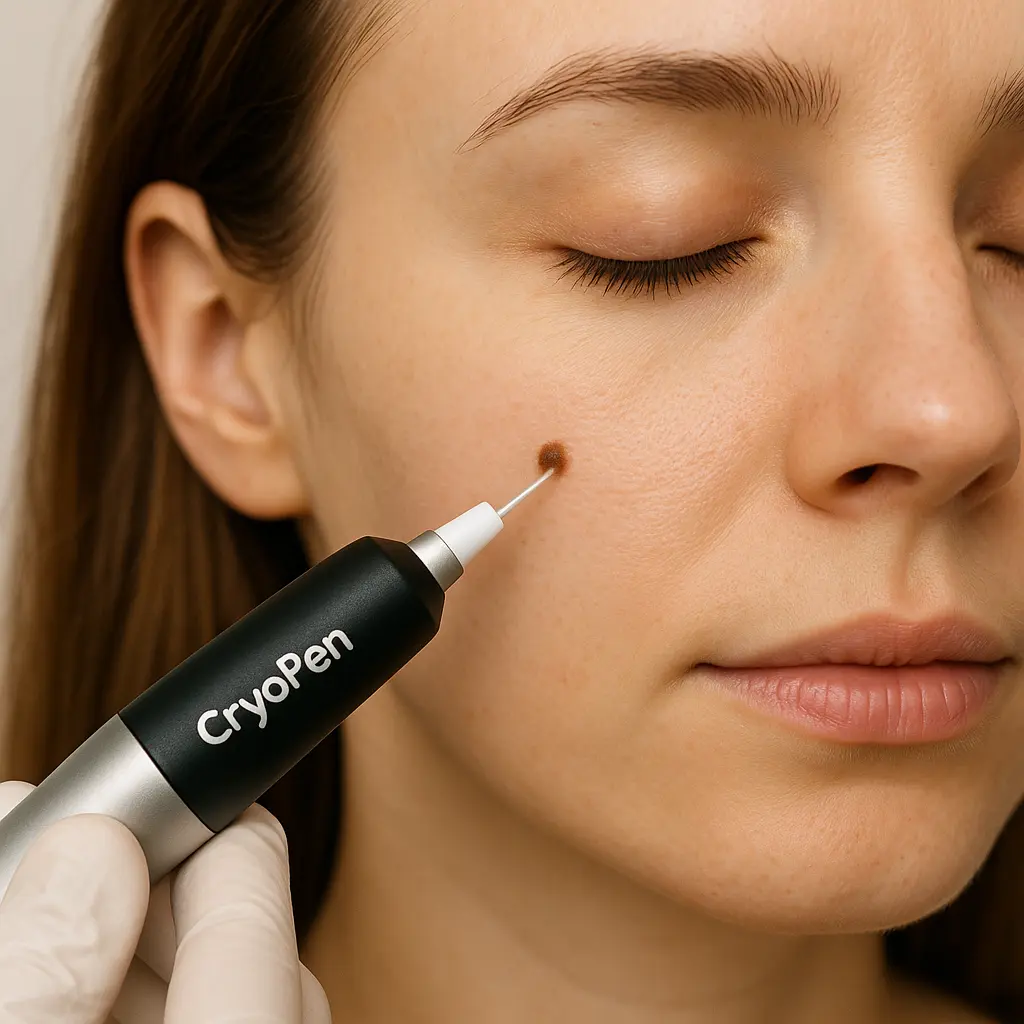
For example, superficial lesions treated with CryoPen® may heal differently from moles removed surgically.
Your practitioner will recommend the most appropriate treatment after assessing the mole rather than selecting a treatment based solely on cosmetic preference.
One of the Most Common Questions We Hear
Many people tell us they want the mole removed without leaving any visible mark.
While everyone would like the skin to heal perfectly, no responsible practitioner can promise completely scar-free healing.
Our aim is always to remove the lesion safely while achieving the best cosmetic result possible.
During your consultation, we’ll explain what type of healing is realistic for your particular mole. If another treatment is likely to provide a better cosmetic outcome, we’ll discuss this with you before any treatment begins.
What Happens During Healing?
Healing takes place in stages.
Immediately after treatment, the area may look red, swollen or slightly pale depending on the removal method.
Over the following days, a crust or scab may develop. This forms part of the body’s normal healing process and should usually be left to separate naturally.
As new skin develops underneath, the area may appear pink or slightly darker than the surrounding skin. This is common and often settles gradually over the following months.
The final appearance of a scar cannot usually be judged in the first few weeks.
Can You Reduce the Risk of a Noticeable Scar?
Although no treatment can completely prevent scarring, careful aftercare may help the skin heal as well as possible.
Your practitioner may advise you to:
- Keep the area clean.
- Avoid picking at any scab or crust.
- Follow any dressing instructions.
- Protect the healing skin from strong sunlight.
- Attend any recommended review appointments.
Healing continues long after the wound has closed, so patience is important. Many scars continue to soften and fade over several months.
What If I Normally Scar Easily?
Some people naturally develop thicker or more noticeable scars than others.
If you’ve previously experienced raised scars, hypertrophic scars or keloid scars, tell your practitioner during your consultation.
This information may influence the treatment recommended and helps you understand what healing is likely to involve.
When Should You Contact the Clinic?
Most wounds heal without any significant problems.
However, you should seek advice if you notice:
- Increasing redness spreading away from the wound
- Significant swelling
- Pus or unusual discharge
- Bleeding that doesn’t settle.
- Severe or worsening pain
- A wound that doesn’t appear to be healing
These symptoms don’t always indicate a serious problem, but they should be assessed promptly.
Why Choose LA LIPO?
Every mole is different, which is why we believe treatment should begin with a thorough consultation rather than a one-size-fits-all approach.
We’ll examine the lesion, discuss your concerns and explain the most suitable treatment options.
If mole removal is appropriate, we’ll talk you through:
- The recommended treatment
- What the procedure involves
- How the region will heal
- The possibility of scarring
- Realistic cosmetic expectations
- Aftercare advice
- Any limitations or risks
We will say why before moving on to another exploration or assessment if we think something else is a better fit. We want to provide you with the information to make an informed decision from the beginning, and most importantly, set realistic expectations.
Frequently Asked Questions
Does every mole removal leave a scar?
Any treatment that removes skin tissue has the potential to leave some degree of scarring. For many people, the final mark becomes much less noticeable as healing progresses.
Which mole removal method leaves the smallest scar?
There isn’t one method that’s best for every mole.
The most suitable treatment depends on the size, depth, location and appearance of the lesion, together with your individual skin type and healing history.
How long does a mole removal scar take to fade?
Healing varies between individuals.
Although the surface of the skin may heal within weeks, scars often continue to soften and mature over several months.
Can scars be prevented completely?
No.
While good aftercare may improve healing, no practitioner can guarantee completely scar-free mole removal.
Can I use scar creams?
Your practitioner will advise when it is appropriate to use moisturisers, silicone products or scar treatments.
Applying products too early may interfere with wound healing.
Does the face heal differently?
Facial skin often heals very well because it has a rich blood supply, although every person heals differently and visible scarring can still occur.
What if I develop a raised scar?
Some people naturally develop raised scars.
If this happens, speak to your practitioner, as there may be treatments that help improve the scar’s appearance.
Can darker skin scar differently?
Yes.
People with darker skin tones may have a greater chance of developing changes in pigmentation or raised scars after skin procedures.
This should be discussed during your consultation.
How do I arrange a consultation?
Contact LA LIPO to arrange a consultation. We’ll assess your mole, explain the most appropriate treatment options and discuss the likely healing process before any treatment takes place.
Thinking About Mole Removal?
If a mole is catching on clothing, becoming irritated or affecting your confidence, the safest first step is to arrange a consultation.
We’ll assess the lesion, explain whether it is suitable for cosmetic removal and discuss the treatment options available.
If treatment goes ahead, we’ll make sure you understand the healing process, possible risks and realistic cosmetic outcome before you decide to proceed.
Contact LA LIPO today to arrange your consultation and receive personalised advice on the most appropriate treatment for your skin.