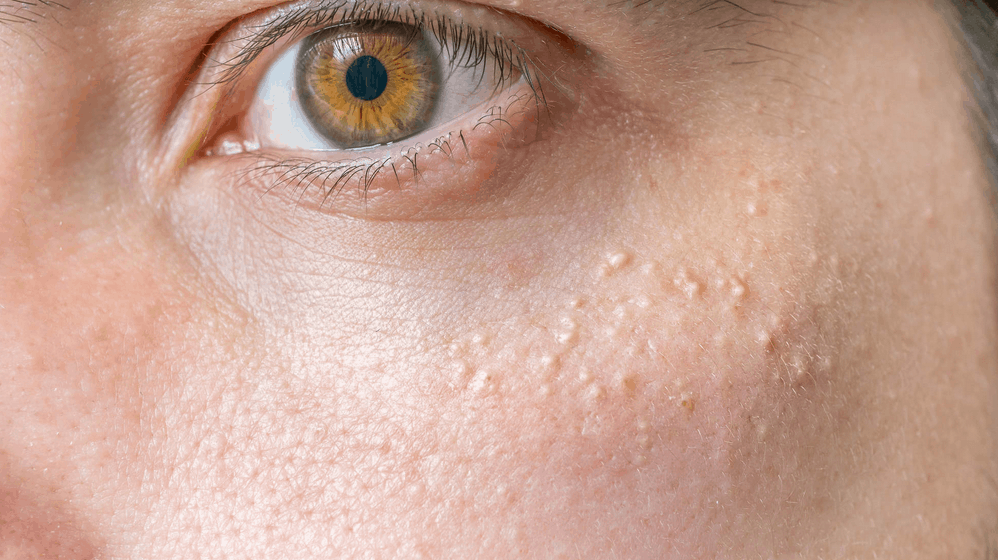
Introduction to Milia and Their Connection with Skin Health
Milia are small, harmless cysts filled with keratin that often appear on the skin as tiny white bumps. While they are typically harmless and painless, they can be a sign of dehydration and poorly hydrated skin. Ensuring proper hydration is crucial for maintaining healthy skin and reducing the occurrence of milia. Let’s explore how hydration plays a key role in preventing and treating milia.
The good news? Proper hydration is essential for skin health on multiple levels, including the prevention of milia formation.
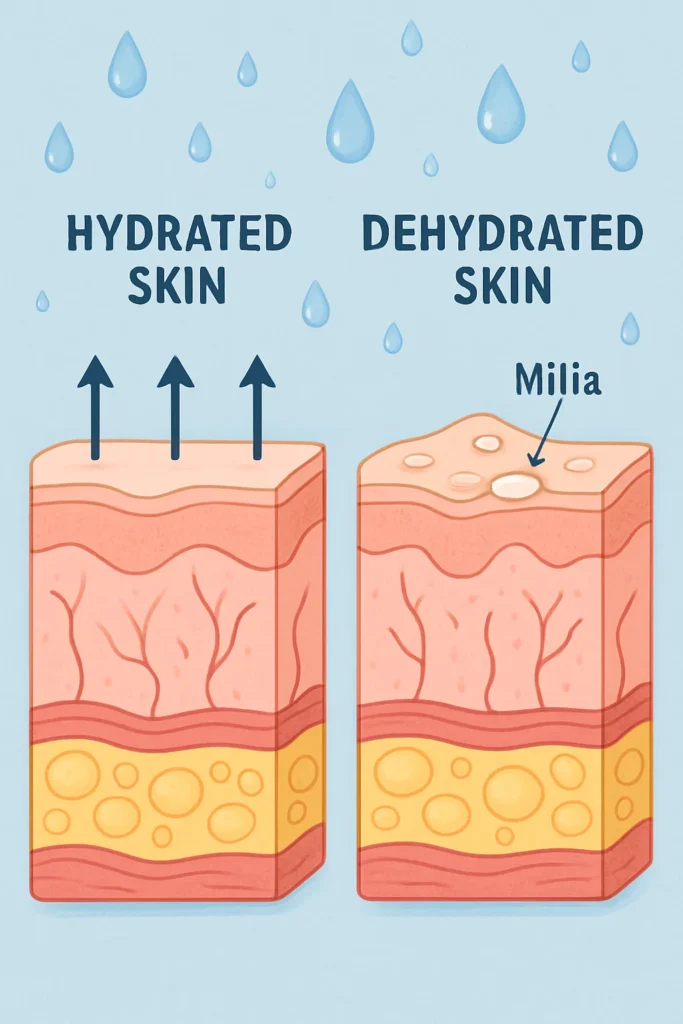
Dehydrated skin can lead to a buildup of dead skin cells and trapped oils, contributing to the development of milia. By maintaining good hydration levels through adequate water intake and moisturisation, you can support healthy skin function and reduce the risk of milia formation. Let’s delve deeper into effective hydration practices for combating milia and promoting overall skin health.
Can dehydration contribute to the formation of milia?
Dehydration can indeed contribute to the formation of milia. When the skin is not well-hydrated, it can lead to poor skin turnover and pore blockage, resulting in the formation of milia. Drinking an adequate amount of water daily helps maintain skin’s hydration levels and prevents such issues.
Milia Removal Service Using Non-Invasive Cryopen
In the world of skincare, dehydration often remains a silent culprit behind many skin issues, including the pesky condition known as milia. These tiny cysts can serve as a subtle reminder from our skin that it’s thirsting for more hydration. By overlooking this key aspect of skincare, we may unknowingly be paving the way for milia to appear.
Understanding this connection between dehydration and skin health is essential in our journey towards achieving radiant, blemish-free skin. Through simple yet effective hydration practices, we can not only combat milia but also promote overall skin health. By incorporating habits such as drinking an adequate amount of water, using hydrating skincare products, and maintaining a balanced diet rich in water-rich foods, we can support our skin’s natural functions and prevent issues like milia from occurring. Remember, when it comes to skincare, hydration is key. So, let’s raise a glass of water to healthy, glowing skin free from milia!

How do you treat a cluster of bumps on the skin?
To treat a cluster of bumps on the skin, consult a dermatologist to determine if they are milia. Milia can be extracted by a professional using sterile instruments. Avoid picking or squeezing at home, as this can lead to scarring or infection.
Maintaining proper hydration is crucial for maintaining healthy skin, particularly when addressing issues like milia. Adequate hydration can help improve skin elasticity and prevent the formation of new bumps. Along with professional treatment for existing milia, incorporating a good moisturiser and drinking plenty of water can support overall skin health.
How do you treat a cluster of bumps on the skin?
To treat a cluster of bumps on the skin, especially if they are small and white, it might be milia. Consulting a dermatologist for proper diagnosis and treatment is recommended. Professional extraction is often the safest method for addressing milia, minimising damage to the skin. Hydration and milia are crucial in maintaining skin health, especially when dealing with issues like milia.
A Safe, Cost-Effective, Non-surgical skin imperfection removal service.
Proper hydration helps maintain the integrity of the skin barrier and enhances skin cell turnover, which can aid in preventing and treating milia. Remember to drink plenty of water and use hydrating skincare products suitable for your skin type. Consistent hydration will promote overall skin health and may help reduce the occurrence of milia.
Can a Lack of Water and lack of hydration and milia be linked?
Milia are small, white bumps that can form on the skin. They occur when dead skin cells become trapped under the skin’s surface, leading to the formation of tiny cysts. While the exact cause of milia is not known, some studies suggest that a lack of water and dehydration, also known as milk spots, as well as the use of certain cosmetics and skincare products, may be contributing factors. In this article, we’ll explore the link between hydration and milia and provide expert advice on how to prevent and treat this frustrating skin condition.
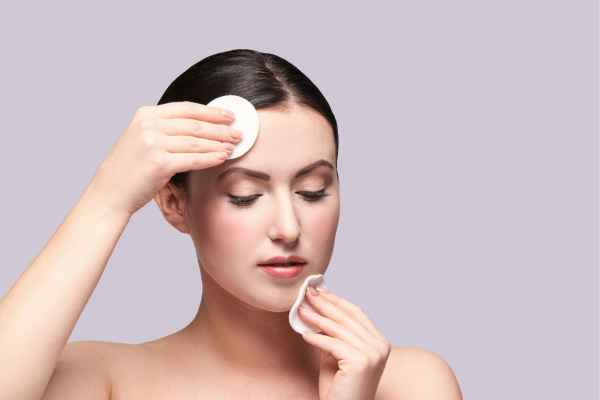
Benefits of Hydration and Milia Production Sutton in Ashfield
In addition to preventing milia, staying hydrated can provide several benefits for your skin, including:
- Increased Elasticity – When the skin is hydrated, it becomes more elastic and less prone to wrinkles and fine lines.
- Improved Texture – Hydrated skin is smoother and softer, with a more even texture.
- Reduced Inflammation – Dehydrated skin is more prone to inflammation and irritation, while hydrated skin is more resilient and able to protect itself.
Common Causes of Milia Beyond Hydration Issues
Common Causes of Milia Beyond Hydration Issues
While dehydration can contribute to the development of milia, there are other common causes to consider:
- Excessive sun exposure
- Use of heavy skincare products
- Genetic predisposition
- Certain medical conditions, like blistering disorders or autoimmune diseases
It’s essential to address these factors along with maintaining hydration for optimal skin health and preventing milia formation. As we delve deeper into the connection between hydration and milia, it becomes evident that maintaining adequate moisture levels in the skin is crucial for its overall health. Dehydration not only exacerbates the accumulation of dead skin cells but also hinders the skin’s natural regeneration process, leading to issues such as milia.
By understanding the benefits of staying hydrated, individuals can empower themselves to take charge of their skin health. Enhanced elasticity, improved texture, and reduced inflammation are just a few advantages that come with proper hydration. However, it’s vital to recognise that while hydration plays a significant role in preventing milia.
Tips for Staying Hydrated and Milia Reduction
To keep your skin hydrated and healthy, follow these expert tips:
- Drink Plenty of Water – Aim to drink at least eight glasses of water per day to keep your skin and body hydrated.
- Use a Humidifier – Using a humidifier can help to add moisture to the air and keep your skin hydrated.
- Avoid Hot Showers – Hot showers can strip the skin of its natural oils, leading to dehydration. Stick to lukewarm water instead.
- Moisturise Regularly – Moisturising regularly can help to lock in moisture and keep your skin hydrated throughout the day.
While the exact cause of milia is unknown, staying hydrated can help prevent this frustrating skin condition.
By drinking plenty of water, using a humidifier, avoiding hot showers, and moisturising regularly, you can keep your skin hydrated and healthy.
At LA Lipo, we offer a range of skin treatments designed to help you achieve the smooth, radiant skin you deserve. Contact Our Team Today
- Increased Elasticity – When the skin is hydrated, it becomes more elastic and less prone to wrinkles and fine lines.
- Improved Texture – Hydrated skin is smoother and softer, with a more even texture.
- Reduced Inflammation – Dehydrated skin is more prone to inflammation and irritation, while hydrated skin is more resilient and able to protect itself.
- Drink Plenty of Water – Aim to drink at least eight glasses of water per day to keep your skin and body hydrated.
- Use a Humidifier – Using a humidifier can help to add moisture to the air and keep your skin hydrated.
- Avoid Hot Showers – Hot showers can strip the skin of its natural oils, leading to dehydration. Stick to lukewarm water instead.
- Moisturise Regularly – Moisturising regularly can help to lock in moisture and keep your skin hydrated throughout the day.
Preventive Measures: Hydration and Milia with a Focus on Skin Care Routine Adjustments
Milia are small, white bumps that can appear on the skin, often around the eyes and cheeks. While the exact cause of milia is not known, maintaining proper hydration and Keeping Milia levels in the skin under control is crucial in preventing this condition. Dehydrated skin is more prone to irritation and inflammation, which can contribute to the formation of milia in the eye area. Hydration and milia production are strongly linked.
Skin Tag Removal Service Using Non-Invasive Cryopen
To prevent milia and maintain healthy skin, it’s essential to prioritise your skincare routine. Drinking plenty of water, using a humidifier, avoiding hot showers, and moisturising regularly are key steps in maintaining skin hydration and nourishment. Hydrated skin has increased elasticity, improved texture, and reduced inflammation, making it less susceptible to conditions like milia. Cryopen is FDA-approved and safe.
By incorporating these preventive measures into your skincare routine, you can promote overall skin health and prevent issues such as milia from arising. Remember, hydration and nourishment are key to maintaining healthy and radiant skin.
The Role of Exfoliation and Active Ingredients in Managing Hydration and Milia
Exfoliation plays a crucial role in managing milia, as it helps remove dead skin cells that can clog pores and contribute to the formation of these small, white bumps. Gentle exfoliation with products containing alpha-hydroxy acids (AHAs) or beta-hydroxy acids (BHAs) can help keep the skin’s surface smooth and prevent milia from developing.
In addition to exfoliation, incorporating active ingredients such as retinoids or salicylic acid into your skincare routine can also help manage milia. These ingredients help increase the cell turnover rate, preventing the accumulation of dead skin cells and reducing the likelihood of milia formation on the skin’s surface. Retinoids, in particular, are known for their ability to unclog pores and promote a clearer, more radiant complexion.
When dealing with milia, it’s essential to strike a balance between exfoliation and gentle care to avoid further irritation. Over-exfoliating can harm the skin’s barrier function and exacerbate existing issues. Consulting with a dermatologist or skincare professional can help determine the proper exfoliation routine and products for your skin type.
Remember, consistent and gentle exfoliation, combined with the appropriate use of active ingredients, plays a crucial role in managing milia and promoting overall skin health. By incorporating exfoliation with AHAs or BHAs and utilising active ingredients like retinoids or salicylic acid, you can effectively prevent the formation of these small white bumps. Remember, it’s essential to strike a balance between exfoliation and gentle care to avoid skin irritation. Consultation with a skincare professional can help customise the proper routine for your skin type.
FAQ About Hydration and Milia Sutton in Ashfield
Does drinking water help milia?
While proper hydration is essential for overall skin health, there is limited direct evidence to suggest that drinking water alone can help manage or prevent milia. However, staying hydrated can help maintain skin elasticity and promote a healthy complexion. For the targeted management of milia, incorporating exfoliation with AHAs or BHAs and using active ingredients such as retinoids or salicylic acid is more effective. Remember to strike a balance between exfoliation and gentle care for optimal results.
Does dehydration cause milia?
Milia is not directly caused by dehydration. However, maintaining proper hydration levels is crucial for overall skin health and can contribute to a healthy complexion. While drinking water alone may not directly manage or prevent milia, it plays a role in maintaining skin elasticity. To effectively address milia, a balanced approach that incorporates gentle exfoliation and the use of active ingredients, such as AHAs or BHAs, is recommended. Consulting with a skincare professional can help tailor a skincare routine that is suitable for managing milia while promoting overall skin health.
How do you treat a cluster of bumps on the skin?
A cluster of bumps on the skin, such as milia, can be effectively treated with targeted skincare routines. Incorporating gentle exfoliation with AHAs or BHAs can help prevent their formation. Active ingredients, such as retinoids or salicylic acid, help manage existing bumps. It’s crucial to strike a balance between exfoliation and gentle care to avoid skin irritation. Consulting a skincare professional for personalised advice is recommended to tailor a suitable routine for your skin type.
Getting rid of milia under the eyes? How hydration and milia are connected:
Removing milia under the eyes requires a delicate approach, given the sensitive nature of the skin in that area. Gentle exfoliation with AHAs or BHAs can help prevent and reduce the formation of milia. Using a lightweight eye cream containing retinoids or salicylic acid can also be effective in managing milia under the eyes. Retinol is a key ingredient for preventing milia. It can be safely used around the eye area, thanks to a formula infused with hydrating and gentle ingredients, such as the Olay Eyes Pro-Retinol Eye Treatment. Remember to prioritise gentle care to avoid irritation and consult with a skincare professional for personalised advice tailored to your specific needs.
How does skin hydration and milia become linked?
Optimal skin hydration is crucial in maintaining skin health and preventing various skin issues, including milia. Proper hydration helps regulate sebum production and improve skin barrier function, thereby reducing the likelihood of milia formation. Well-hydrated skin is more supple and less prone to trapping dead skin cells, which can lead to the formation of milia. To minimise the occurrence of milia, ensure your skincare routine includes hydrating ingredients such as sunscreen, hyaluronic acid, and ceramides to keep your skin balanced and healthy. Contact us today to discuss proper hydration and milia prevention.
For Further Information, Please Call Us On 03300 100 238