Diet and Exercise vs Cryolipolysis: Understanding the Difference
One of the questions we hear most often during consultations is whether fat freezing is a replacement for diet and exercise.
The simple answer is no.
These approaches have very different purposes. Healthy eating and regular physical activity are the foundations of long-term weight management and overall health. At the same time, fat freezing is a body-contouring treatment designed to reduce localised stubborn fat that has been difficult to shift despite maintaining a healthy lifestyle.
Understanding the difference can help you decide whether fat freezing is appropriate for your goals or whether another approach may be more suitable.
What Are Traditional Weight-Loss Methods Designed to Do?
When most people think about losing weight, they think about eating differently and becoming more active.
These habits can help create a calorie deficit, allowing the body to use stored fat for energy. Alongside weight loss, they can also improve cardiovascular health, mobility, strength and general wellbeing.
For many people, these lifestyle changes are enough to achieve the results they want.
However, some areas of fat remain stubborn even after reaching a healthy weight. This is often where people begin exploring body contouring treatments.
What Is Cryolipolysis?
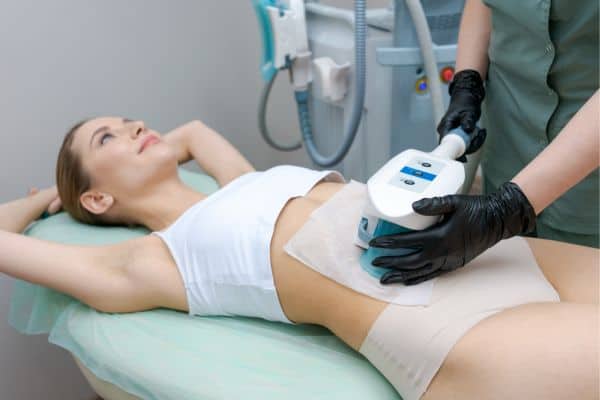
Cryolipolysis is a non-surgical treatment that uses controlled cooling to target fat cells beneath the skin.
Over time, the body naturally processes the affected fat cells, gradually reducing the fat thickness in the treated area.
Unlike diet and exercise, cryolipolysis is not intended to reduce overall body weight or improve general fitness.
Instead, it is designed for people who are already close to a stable weight but would like to improve the shape of a specific area.
Are They Trying to Achieve the Same Thing?
Not really.
Although both may change your appearance, they work in different ways.
Healthy eating and exercise influence your whole body and provide a wide range of physical and mental health benefits.
Cryolipolysis focuses on a localised area and aims to improve body contours rather than produce significant weight loss.
One approach does not replace the other, and many people choose to combine healthy lifestyle habits with body-contouring treatments.
Can Fat Freezing Replace Diet and Exercise?
For most people, no.
If someone is hoping to lose a significant amount of weight, improve their fitness or reduce their risk of obesity-related health conditions, lifestyle changes remain the most appropriate first step.
Fat freezing is not an obesity treatment and should not be viewed as an alternative to healthy eating or regular physical activity. It is intended for reducing stubborn pockets of fat in selected areas.
When Might Fat Freezing Be Worth Considering?
Cryolipolysis may be suitable if you:
- are close to your ideal or stable weight
- have one or two areas of stubborn fat
- have already tried improving your diet and activity levels
- are looking for a non-surgical body-contouring treatment
- understand that results develop gradually rather than immediately
The best way to determine suitability is through a consultation, where your practitioner can assess the area and discuss realistic expectations.
Can You Combine Both Approaches?
Absolutely.
In fact, many people who achieve the most satisfying results continue to eat well and stay active after treatment.
Maintaining a reasonably stable weight can help preserve the improvements seen after fat freezing, while regular exercise continues to provide health benefits that body-contouring treatments cannot offer.
The two approaches should be viewed as complementary rather than competing.
One of the Questions We Hear Most Often
Patients often ask:
“If I have fat freezing, can I stop worrying about my diet?”
Unfortunately, no treatment works like that.
Fat freezing can reduce fat in the treated area, but it cannot prevent future weight gain.
If your weight increases significantly after treatment, the remaining fat cells can still enlarge, which may affect your overall body shape.
Our aim is always to explain both the benefits and the limitations before treatment begins so you can make an informed decision.
What Happens During a Consultation?
During your consultation, we’ll discuss:
- the areas that concern you
- your current weight and lifestyle
- your treatment goals
- whether fat freezing is likely to be appropriate
- what results may realistically be achieved?
- whether another treatment or approach may better suit your needs
Sometimes the most appropriate advice is to continue focusing on lifestyle changes before considering body contouring.
Why Choose LA LIPO?
At LA LIPO, we believe that every treatment recommendation should be based on the individual rather than a one-size-fits-all approach.
We’ll explain how cryolipolysis works, what results you may realistically expect and whether you’re likely to benefit from treatment.
If we believe another option would better meet your goals, we’ll tell you honestly before recommending any treatment.
Frequently Asked Questions
Is fat freezing better than dieting?
Fat freezing — also known as cryolipolysis — gives everyone the chance to remove unwanted body fat without undergoing an invasive surgical procedure. But is it better than dieting?
No. They have different purposes. A healthy diet supports overall health and helps control weight, whereas fat freezing targets localised fat in specific areas.
Can I lose weight with cryolipolysis?
Cryolipolysis is not a weight-loss treatment. It is intended to improve body contours by reducing stubborn fat beneath the skin.
Should I exercise after fat freezing?
Most people can return to their usual activities quickly by following their practitioner’s advice. Regular exercise can help maintain a stable weight, although it does not directly influence how quickly the treated fat cells are processed.
Will fat freezing stop fat coming back?
The treated fat cells are gradually removed, but the remaining fat cells can still enlarge if you gain weight. Maintaining a healthy lifestyle can help preserve your results.
How do I know if I’m suitable?
The best way to find out is through a consultation. We’ll assess the area you’d like to treat, discuss your goals and explain whether cryolipolysis is likely to be appropriate for you.
Considering Fat Freezing?
If you’re struggling with stubborn pockets of fat despite maintaining a healthy lifestyle, cryolipolysis may be an option worth exploring.
Arrange a consultation with the LA LIPO team to discuss your goals, ask any questions you may have and receive personalised advice about whether fat freezing is the right treatment for you.