Cryotherapy Sutton in Ashfield for wart removal?
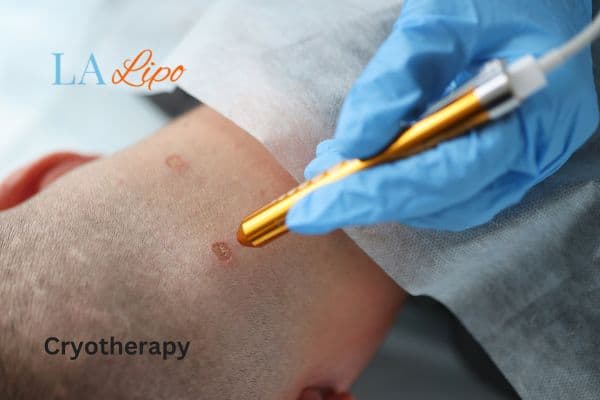
“Wart Removal by Cryotherapy is an excellent alternative to the more invasive techniques used in Traditional Skin Care.”
That’s the bolded phrase in a recent Associated Press article. And they’re right.
Traditional skincare often involves the use of chemicals to remove warts. You apply the chemical, wait for a couple of hours, and then your wart is removed.
But it’s only temporary. Next time you experience a wart outbreak, you’ll need to reapply the chemical.
However, if you use natural methods for wart removal, the process will be much faster.
Wart Removal methods you can use include:
Now you may be asking yourself, “What are some of the warts I can get rid of by using these methods ?”
The following wart removal methods are all effective:
These are just a few of the most popular natural remedies for warts available. But for every method I’ve listed below, there is at least one other effective method that you should try.
For example, doctors often recommend wart removal by freezing them off with liquid nitrogen, also known as cryotherapy. That’s right, cryotherapy. It may seem like an expensive option, but it’s not really. Expert Help for Hydration And Milia Issues
Many of the methods above are recommended by dermatologists and other medical professionals. The price of the chemicals used is relatively low compared to other treatments available, and the period of time you can expect to use the substances is short.
So, why start using some of these techniques today to treat your skin?
You might be surprised by how quickly they heal.
Wart removal Methods That you use daily can heal in as little as two weeks.
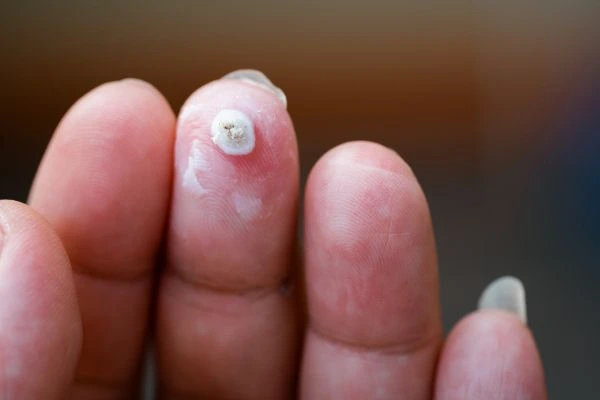
And once your skin is healed, you won’t have to deal with the discomfort of unsightly warts. Because warts are generally harmless, doctors typically recommend that they be removed without pain.
While some doctors do prescribe the use of painkillers, many doctors are now recommending natural ways to remove warts.
Unfortunately, if you try natural methods first, your doctor may not be aware of them.
And that’s okay – your doctor will probably tell you that you should take advantage of the new treatments available to you, including those listed here.
So, what if you want to use natural methods and haven’t tried these techniques yet? First, check if your doctor approves of the methods you’re interested in. Is it Time to Say Goodbye to Your Moles?
Second, ask your friends and family if they know any other successful people.
Finally, be sure to drink plenty of water – this will help keep your skin hydrated and healthy. Additionally, you can increase your level of activity, allowing your body to burn extra calories. Doing so will also help your skin.
Protuberances are triggered by an infection that is common in the population. Because there are more than 100 different types of wart virus, most people will undoubtedly develop at least one type of wart during their lifetime. How Long Does Wart Removal Take? Get the Facts from LA LIPO
Protuberances are typically self-healing and tend to subside gradually on their own.
However, since protuberances are spread through direct contact, even a solitary blemish can quickly multiply. The act of picking at or accidentally reducing the verruca with a razor, in particular, can cause the verruca to spread extremely quickly.
Fortunately, a variety of treatment options are readily available for removing protuberances. The following list will certainly include both natural home remedies and professional verruca removal therapies that are currently readily available.
FAQs – Cryotherapy for Wart Removal
Q1. What is cryotherapy for wart removal?
Cryotherapy (also known as cryosurgery) is a medical procedure that utilises extreme cold—typically liquid nitrogen—to freeze and destroy the wart tissue.
Q2. How does freezing a wart get rid of it?
The freezing damages cells in the wart and disrupts blood flow to the infected tissue. The body’s immune response is also triggered, helping to clear remaining virus-infected cells. Over time, the wart sloughs off and healthy skin regenerates.
Q3. Which types or locations of warts can be treated with cryotherapy?
Cryotherapy is commonly used for:
- Common warts (e.g. hands)
- Plantar warts (on feet/soles)
- Flat warts
- Warts in other non-sensitive areas
However, limitations or higher risks may apply for warts in delicate or thin-skin areas (e.g. face, near the eye) or for very deep/invasive warts.
Q4. Does cryotherapy hurt? What will I feel?
You may feel a brief stinging, burning, or tingling sensation as the cold is applied. After treatment, mild discomfort or soreness may persist for a few days.
Q5. Is anaesthetic or numbing used?
Usually, no separate anaesthetic is required. The extreme cold itself causes a temporary numbing of the area, making the procedure tolerable.
Q6. How long does the freezing procedure take?
It’s typically speedy. For small or superficial warts, freezing may last 5–10 seconds; for thicker or plantar warts, it may take up to 30–45 seconds (or sometimes more), depending on the size, depth, and location.
Q7. How many cryotherapy sessions will I need?
Some warts respond after one treatment, but many require multiple sessions (often spaced 2–3 weeks apart) to be entirely removed.
Q8. What is the healing process / what should I expect afterwards?
- A blister often forms 24 hours after treatment.
- The treated wart may become dry and peel off over 1 to 2 weeks.
- Complete skin recovery may take 2–6 weeks, depending on the depth and location of the treatment.
Q9. Are there side effects or risks?
Yes, though most are mild and temporary. Possible effects include:
- Redness, swelling, blistering or crusting around the treated area.
- Changes in skin colour (hypopigmentation or hyperpigmentation)
- Scarring (rare)
- Numbness (if a superficial nerve is affected), usually temporary
- Infection (rare)
- Recurrence (wart might return)
Q10. Can cryotherapy fail to remove a wart? Why?
Yes. Failure can occur when:
- The wart is deep or thick
- The freezing was insufficient in depth or duration
- The patient’s immune response is weak
- The underlying virus is persistent
In such cases, alternative treatments or repeat cryotherapy may be needed.
Q11. Who is not a good candidate for cryotherapy?
Cryotherapy may not be suitable if you have:
- Very thin or sensitive skin, especially in delicate locations
- Impaired circulation or poor healing (e.g. in diabetes)
- Sensitivity to cold (cryoglobulinemia, cold intolerance)
- Open wounds in the area
- Skin cancer or lesions suspicious for malignancy (unless evaluated)
- Immune suppression (higher risk of complications)
Q12. How should the treated area be cared for afterwards?
- Keep the area dry for 24 hours; after that, clean gently and pat dry.
- Use a gentle ointment (e.g. petroleum jelly) to help prevent crusting.
- Do not pick or scratch scabs or blisters.
- Protect the area from friction, trauma, or intense pressure (especially on feet)
- Watch for signs of infection (increasing pain, pus, redness) and seek medical advice if present.
Q13. How effective is cryotherapy for wart removal?
Cryotherapy is commonly used and considered adequate, though results vary by wart type and patient. Some studies report success rates around 60-80% for common warts. That said, it’s not always superior to other options (e.g. salicylic acid) in every case.
Q14. Can warts come back after cryotherapy?
Yes. Cryotherapy removes the visible wart, but it does not eliminate all the HPV in the surrounding skin. Therefore, wart recurrence is possible, either in the same spot or nearby.
Q15. Is cryotherapy done in the NHS, or will there be a cost?
In some cases, GPs or dermatology clinics on the NHS offer wart freezing. But availability can vary by region. Many people opt for private treatment when NHS services are not available.
Q16. What questions should I ask when considering cryotherapy?
- How many sessions do you expect to be required for my wart?
- What freezing device and settings will you use (spray, probe, duration)?
- What is your complication/recurrence rate?
- Can I see before/after photos of similar treatments?
- What aftercare will you advise?
NATURAL REMEDIES:
For many people, the first step in trying to remove a protuberance is to use natural remedies to eliminate it.
Several of these therapies can be effective, but they typically take longer to work or may not be effective at all, depending on the individual.
Apple cider vinegar is a very popular natural home remedy due to its effectiveness and affordability.
Using apple cider vinegar on a wart can cause it to turn black and ultimately fall off over time. On this webpage, you will find an extensive list of natural home remedies. Cryotherapy for Mole Removal: Pros and Cons
Pros :
Many solutions can be found in a kitchen cabinet or a garden, making them both low-cost and easy to use.
1. There is no need to wait for an appointment, so treatment can start right away after joining.
2. It is pain-free and child-friendly.
3. Gives you the capacity to take control of your body through the use of centuries-old recovery practices.
1. Patience and self-control will be required for effective therapy, as multiple successive applications might be needed.
2. The treatment may not be sufficient to eliminate some blemishes, or it might be ineffective in some cases.
3. Caution must be exercised to avoid damaging any bordering skin that might cause scarring.
Cryotherapy is a fully approved procedure by the FDA.
Contact us today to find out more about what we can do for you
Or call us today on 03300 100 238